


How to Plan a Half-Day Walk Along the Little Wye: Route, Timing, and Packing List
A half-day along the Little Wye is easy to get right and surprisingly easy to get wrong. The difference is rarely fitness or equipment. It is whether you looked up the tide before you left the house, and whether you decided where to turn back before your legs decided for you.
The river offers two quite different walks. The lower reach is tidal, open and changes shape through the day. The upper reach is wooded, sheltered and more or less indifferent to what the sea is doing. Choose one, give it three to four hours including stops, and the rest of the planning falls into place.
Start With the Tide, Not the Map
On the tidal stretch, tide tables are the first thing to check, not the last thing to remember. Times are published for reference ports, and water on your particular bend may arrive earlier or later than the printed hour, so treat the table as a guide with a margin rather than a promise.
Note high and low water and work out how much time you have either side of low. Low tide uncovers the widest margin of firm gravel and sand, but it also uncovers mud. Soft mud is convincing from twenty metres away and swallows a boot at two. If the surface shines, or reeds are standing in it, stay on the path above.
The raised riverside path usually stays passable through the whole tide cycle; slipways, lower promenades and shingle spits do not. A simple rule: if the water is already pushing back up the channel when you reach your furthest point, you have left it late. Turn around and enjoy the walk back with the current at your shoulder.
Choosing a Route That Fits Half a Day
Most half-day walks along the Wye take one of three shapes.
- Out and back along the bank. Simplest option, no navigation needed, and you can shorten it at any point.
- A loop. River on the way out, lanes and field paths on the way back. More varied, but it needs a map and a check that the footpaths you are relying on are actually open.
- Bridge to bridge. Walk between two crossing points and return along the opposite bank. Good for mixed groups, awkward if one bridge is closed for repair.
Match the Distance to the Group
On riverside ground, with stiles, gates and a few stops for photographs, most people manage around three kilometres an hour. A half day is roughly two to two and a half hours of moving time, which puts a comfortable out-and-back at six to eight kilometres in total, or a loop at around five. Add children, a dog or a picnic and cut that back by a third.
Choose the Turning Point Before You Start
Pick something you can actually recognise: a particular bench, the second footbridge, a gate with a cattle grid. Knowing the landmark removes the temptation to keep going just a bit further, which is how a pleasant afternoon becomes a four-hour march in the dark.
Timing Daylight, Weather and Gates
Work backwards from sunset rather than forwards from your start time. Aim to be back half an hour to forty-five minutes before the light goes, and carry a small torch in autumn and winter even if you are confident. In December that means a late-morning start; in June you can begin after lunch and still have hours to spare.
Weather matters more here than on an inland path. Heavy rain upstream raises the river, sometimes well after the rain has stopped where you are, and a strong wind blowing against the tide can push water above the predicted level. Read the forecast for the whole window you will be out, not just the hour you set off.
Check the ends of the route too. Some riverside car parks lock their gates at dusk, and some stretches cross land with seasonal access restrictions. A quick look at the local authority or national park page for your stretch saves a lot of standing about at a locked barrier.
What to Pack for a Riverside Half Day
You do not need much, but the handful of things below turn a soggy trudge into a good afternoon.
- Footwear with real grip — trail shoes or walking boots, not smooth-soled trainers
- Spare socks in a dry bag, the single best morale item on the list
- A waterproof jacket and one warm layer more than the forecast suggests
- Water: around half a litre per person for a couple of hours, more in summer
- Snacks, and something dry to sit on if the benches are wet
- A charged phone, plus a downloaded offline map and a screenshot of the tide times
- A small head torch
- Blister plasters and any personal medication
- Sun cream and a hat, even on a breezy day
- For dogs: a lead, water and a towel for the inevitable swim
- A plastic bag for wet or muddy kit
If the tide has turned and the mud is soft, the walk is over. Coming back another day is cheap; a rescue is not.
Pace, Breaks and Knowing When to Stop
Start slower than you think you need to. Riverside paths are uneven — roots, stones, sloped banks — and a fast first hour usually means a slow last one.
Take one proper break rather than five short ones. Twenty minutes sitting down with a flask does more for the second half of a walk than four pauses to adjust a boot. In cold wind, keep breaks short and find shelter behind a hedge or a wall.
If a section is flooded, churned up or blocked, backtrack rather than improvising a detour across a field. Fences and crops are somebody's livelihood, and the path you can see on the far side may be private.
Before You Leave the House
Run through this in five minutes and the walk looks after itself.
- Check the tide times, and note the next high water after your planned finish.
- Check sunset and subtract forty-five minutes.
- Name the route and the turning point out loud to whoever you are walking with.
- Pack the list above, including socks and a torch.
- Tell someone where you are going and when you expect to be back
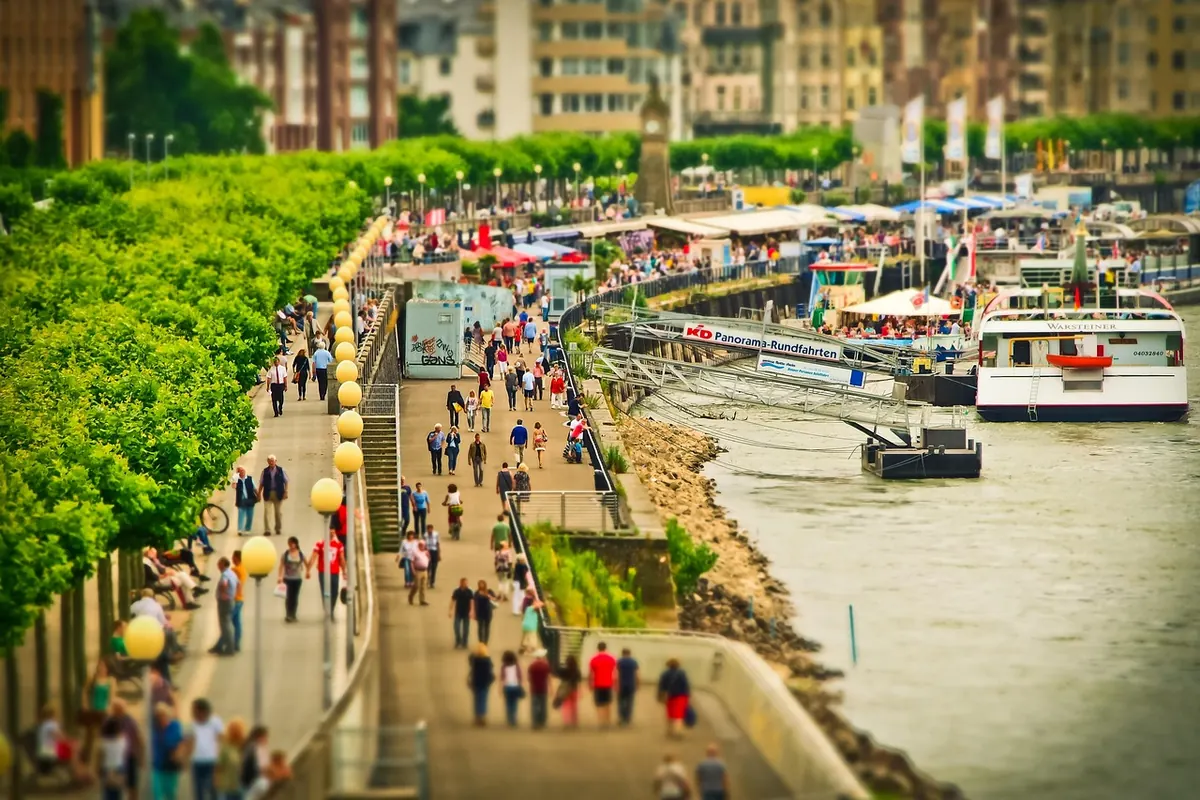
Photo: 652234 / Pixabay